


Daily Infrared Sauna Routines by Goal
Infrared sauna use is most effective when it’s intentional. By raising core temperature and heart rate, infrared heat supports circulation, promotes a deep sweat, and creates a mild cardiovascular workload — effects many people use for muscle relaxation, recovery, stress support, and overall wellness.
Unlike traditional high-temperature saunas, infrared systems heat the body more directly at lower ambient temperatures (typically 120–150°F), allowing for a comfortable but effective session. The protocols below outline simple, goal-based routines designed specifically for infrared sauna use.
Health / Wellness & Longevity
Goal: Consistency + cardiovascular support
Health / Wellness & Cardiovascular Support
Infrared heat exposure raises heart rate and stimulates a deep sweat, placing a mild demand on the cardiovascular system similar to low-to-moderate intensity activity. As core temperature rises, blood vessels dilate and circulation increases, which may support vascular function and healthy blood pressure patterns over time.
Suggested Infrared Routine
-
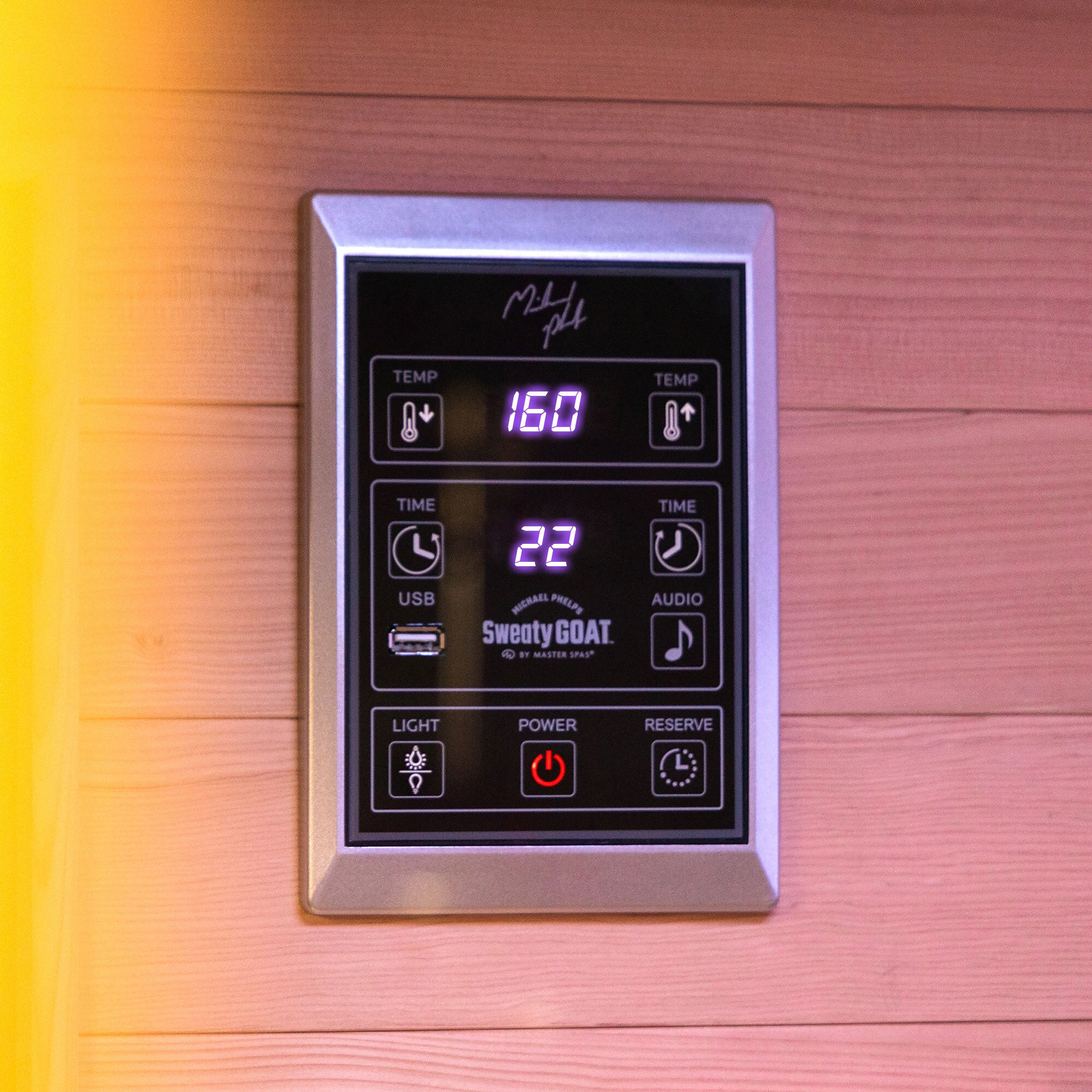
Temperature: Manufacturer-recommended infrared setting (often 120–150°F)
-
Duration: 15–30 minutes
-
Frequency: 3–5 times per week
-
Hydration: Before and after
Pain Management & Mobility
Thermal therapy from infrared saunas increases circulation as blood vessels dilate in response to rising core temperature. This enhanced blood flow helps deliver oxygen and nutrients to muscles and joints while promoting relaxation and temporary relief from stiffness. As tissues warm, elasticity improves, supporting flexibility and overall joint mobility.
Infrared sauna sessions have also been associated with improvements in comfort and quality-of-life measures for individuals managing chronic joint and inflammatory conditions, making heat therapy a practical addition to structured wellness routines.
Suggested Infrared Routine
-
Temperature: Moderate infrared setting
-
Duration: 15–25 minutes
-
Frequency: 3–5 times weekly or as tolerated
Performance & Recovery
Post-exercise heat exposure can complement training by increasing circulation and maintaining an elevated heart rate for a short period after activity. In an infrared sauna, rising core temperature promotes vasodilation and active sweating, which helps move blood through working muscles and may support recovery, relaxation, and a return to baseline after demanding sessions.
Infrared systems achieve these effects at lower ambient temperatures by heating the body more directly, allowing users to continue stimulating circulation and cardiovascular response in a controlled, comfortable environment following training.
Suggested Infrared Routine
-
Temperature: Moderate to high (within comfort range)
-
Duration: 15–30 minutes
-
Frequency: 2–4 times per week
-
Timing: After training or on recovery days
Focus & Stress Regulation
Infrared heat exposure gently activates the body’s natural stress-response systems by raising core temperature and heart rate. As circulation increases and the body transitions into a deep sweat, many users experience a shift into a more relaxed state. This combination of warmth, improved blood flow, and physical relaxation is commonly associated with reduced tension, improved mood, and a greater sense of mental clarity.
Infrared sauna sessions are often incorporated into wellness routines to help manage everyday stress and support overall emotional well-being, providing a structured environment for both physical and mental reset.
Suggested Infrared Routine
-
Temperature: Moderate heat
-
Duration: 15–20 minutes
-
Frequency: 3–5 times per week
-
Optional: Slow breathing during session
Safety Considerations
Infrared sauna use is generally well tolerated by healthy adults when sessions are kept within reasonable time and temperature ranges. Because infrared heat raises core temperature and heart rate, individuals with underlying medical conditions — including cardiovascular concerns, blood pressure issues, or pregnancy — should consult a qualified healthcare professional before beginning regular use.
Staying properly hydrated before and after each session is important to support normal circulation and fluid balance, especially as sweating increases.
The Takeaway
Infrared sauna use works best when it’s aligned with your goal and practiced consistently. Whether you’re prioritizing recovery, cardiovascular support, flexibility, or stress management, the key is choosing a routine you can repeat and adjust over time.
Start conservatively. Pay attention to how your body responds. Increase session length or frequency gradually as tolerance builds. Like training, nutrition, or sleep, the benefits of heat exposure compound with consistency.
Used intentionally, infrared sauna sessions can become a simple, structured tool to support long-term wellness — one session at a time.








Cold plunge–hot tub combo: Why contrast therapy works better together
Built for the Demand: How Hockessin Athletic Club Uses Chilly GOAT Cold Tubs